
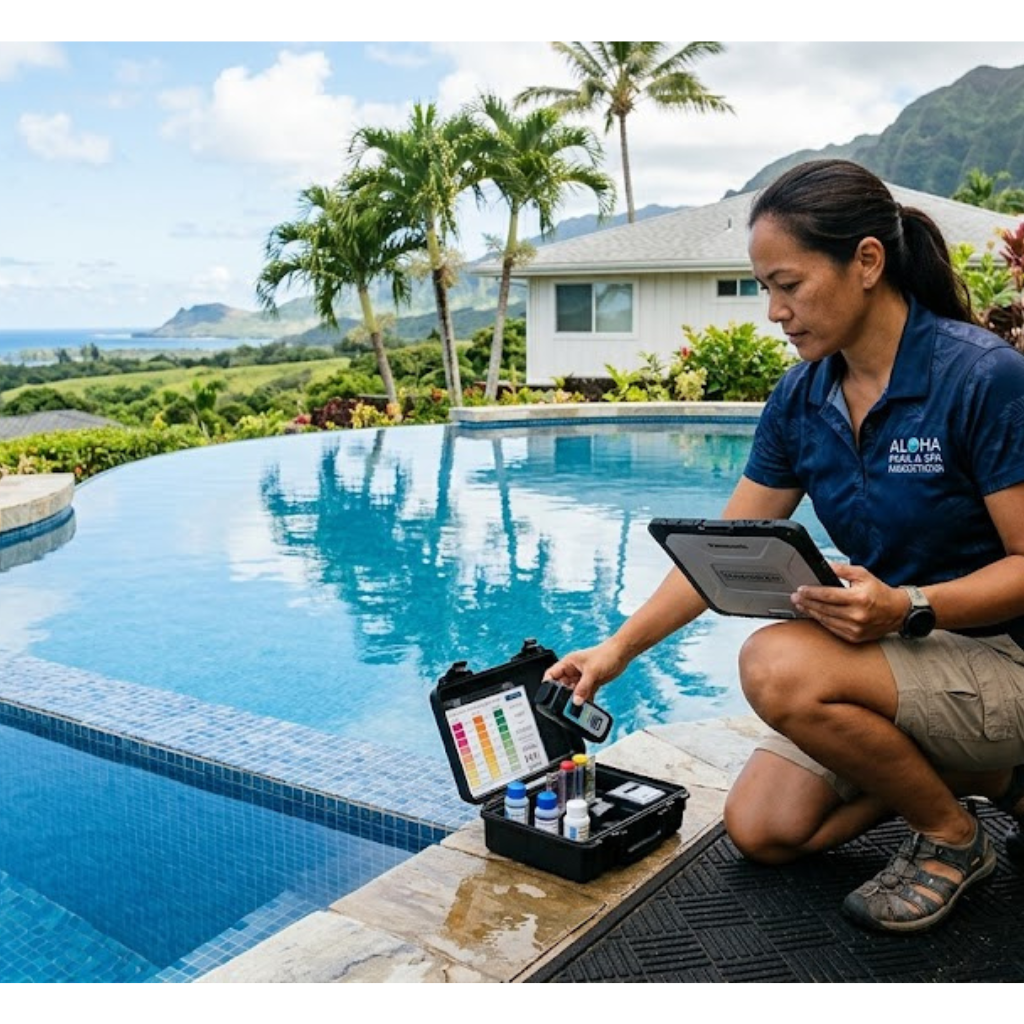
If you own a pool on Oahu, or you’re about to buy a home that has one, a professional pool inspection is one of the most important steps you can take. Not a general walkthrough. Not a quick visual check from a cleaning tech. A real, system-by-system assessment by someone who knows what Hawaii’s climate does to pool equipment and surfaces.
This guide covers exactly how to get a good pool inspection on Oahu, what to look for, when to schedule one, and how Windward Pool and Spa approaches pool inspections across Oahu.
What Makes a Pool Inspection on Oahu Different from the Mainland
Ask anyone who has managed pools in Hawaii for more than a few years and they’ll tell you the same thing: standard mainland inspection checklists don’t cut it here.
Salt air corrodes metal components faster than most equipment manufacturers account for. Year-round warmth means algae and bacteria stay active every single month. Humidity accelerates wear on electrical components and control systems. And because pools on Oahu get used more consistently than pools in seasonal climates, the cumulative stress on pumps, filters, and heaters is higher.
A good pool inspection on Oahu accounts for all of these local conditions. An inspector using a generic checklist built for a Phoenix or Florida pool may miss the specific deterioration patterns that Honolulu’s environment creates. That’s a meaningful gap, and it’s one of the reasons hiring a pool specialist who works on island pools every day matters.
What Does a Good Pool Inspection on Oahu Actually Include?
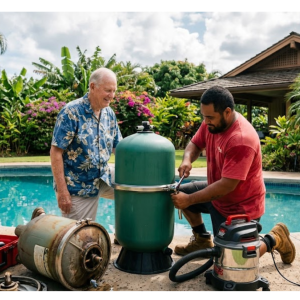
A thorough swimming pool inspection covers six primary areas: the pool shell and interior surface, the mechanical equipment, the plumbing and electrical systems, the water chemistry, the safety features, and any automation or control systems present.
Each category requires a separate, deliberate check. An inspector who speeds through the job or skips categories isn’t giving you a complete picture. Before you hire anyone, ask them what their inspection covers in writing.
Here’s what each area involves.
The pool shell check looks for cracks, pitting, surface deterioration, and staining in the plaster, pebble, or fiberglass finish. Surface damage matters because it affects water retention, equipment strain, and long-term repair costs. A small crack in the shell can indicate structural movement or a slow leak.
Water chemistry gets tested for chlorine levels, pH, alkalinity, calcium hardness, and cyanuric acid. On Oahu, rain events and heavy bather loads shift water chemistry quickly. An inspection should confirm whether the current balance is within safe and stable range.
Safety features require a full physical check, not a visual scan from the pool deck.
Pool Safety Features and Compliance on Oahu
Safety features are non-negotiable items on any inspection checklist. For pools in Hawaii, the inspection should confirm that fencing and gate hardware meet minimum height requirements, that self-closing and self-latching mechanisms function correctly, and that drain covers comply with anti-entrapment standards.
These aren’t optional details. A pool that fails on safety compliance creates liability for homeowners and property managers. If you’re buying a home during Hawaii’s J-1 inspection period, this is exactly the kind of finding you need before you close, not after.
How to Get a Good Pool Inspection on Oahu and When Do You Need One?
There are several situations where scheduling a pool inspection is the right call.
Home purchase is the most common trigger. If you’re in escrow on a property with a pool, the J-1 inspection period is your window. Hawaii’s real estate contracts give buyers a set number of days to investigate the property’s condition, and a pool inspection should be part of that process. Pools are expensive systems. Resurfacing alone can cost thousands, and equipment replacement adds up fast.
Routine homeowner assessments are the next most common use. If your pool hasn’t been formally inspected in a few years, an assessment gives you a clear picture of what’s aging, what’s failing, and what needs attention in the near term.
Post-storm evaluation matters more on Oahu than most homeowners realize. Heavy rain events, high winds, and flooding bring additional debris and runoff into pools and can stress equipment. A post-storm inspection identifies damage before it compounds.
Property managers and sellers also benefit from a pre-listing inspection. Knowing the pool’s condition before buyers start asking questions puts you in a stronger position during negotiations.
How Windward Pool and Spa Conducts Pool Inspections on Oahu
At Windward Pool and Spa, we provide professional pool inspections for homeowners, home buyers, realtors, and property managers across Oahu, including Honolulu, Kailua, Kaneohe, Hawaii Kai, Kahala, Aina Haina, Lanikai, and Nuuanu.
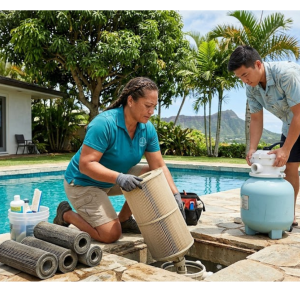
Our process starts with a full site assessment. We evaluate every system and surface systematically: shell condition, water chemistry, equipment function, plumbing, electrical, safety features, and automation. We run the equipment and test it in operation, not just at rest.
After the inspection, you get a written report with our findings and any recommended repairs or upgrades. There are no vague summaries. You see exactly what we found, what it means for your pool’s condition, and what steps we recommend.
If the inspection turns up repairs or equipment issues, we can connect you directly to our pool repair services and equipment replacement options. You won’t need to start over with a new company.
You can learn more about what our inspections cover on our Pool Inspection Services page.
If you’re wondering how to get a good pool inspection on Oahu then contact Windward Pool and Spa to schedule your pool inspection across Oahu and get a free estimate today.