

A pool inspection in Lanikai means carefully checking a swimming pool’s structure, water condition, and equipment to make sure everything works as it should. In Lanikai, pools face salt air, constant sun, wind-blown debris, and heavy rain. A proper inspection looks for early problems before they become costly repairs.
Join us at Windward Pool and Spa as we explain what a pool inspection includes, why it matters in Lanikai, and when homeowners should schedule one.
What Is a Pool Inspection in Lanikai?
A pool inspection is a detailed evaluation of the pool and its operating system. The goal is to identify issues early.
An inspection focuses on:
- Pool structure
- Water condition
- Circulation and filtration
- Visible plumbing
- Electrical components
- Safety concerns
It is not the same as weekly cleaning. Cleaning maintains. Inspection evaluates.
Why Are Pool Inspections Important in Lanikai?
Lanikai sits close to the ocean. Salt air, trade winds, and intense sunlight accelerate wear on pool systems.
Pools here commonly experience:
- Faster corrosion
- Equipment seal breakdown
- Chemical imbalance after rain
- Debris buildup from wind
- Hidden leaks
A pool inspection in Lanikai helps catch these problems early.
When Should a Pool Inspection Be Done?
Pool inspections are useful at specific times.
Common situations include:
- Buying or selling a home
- After long periods without service
- Before starting regular maintenance
- After major storms
- When water problems keep returning
- When equipment performance changes
Routine inspections help avoid surprise repairs.
What Does a Lanikai Pool Inspection Include?
Each inspection follows a structured checklist. Nothing gets rushed.
Typical inspection areas include:
- Pool surface condition
- Tile and coping
- Skimmers and drains
- Pump operation
- Filter condition
- Plumbing connections
- Timers and controls
- Water clarity and balance
The focus stays on visible and functional components.
How Is the Pool Structure Evaluated?
The pool shell holds everything together. Small cracks or wear can grow over time.
Structural inspection includes:
- Looking for cracks or chips
- Checking steps and benches
- Inspecting tile lines
- Watching for staining or scaling
Salt air and sun exposure make surface checks especially important in Lanikai.
What Happens During Equipment Inspection?
Pool equipment works every day. Wear often shows before failure.
Equipment inspection focuses on:
- Pump noise and vibration
- Filter pressure
- Valve operation
- Visible leaks
- Plumbing fittings
- Electrical connections
Small signs often signal bigger problems ahead.
Why Is Circulation Checked?
Circulation moves treated water throughout the pool. Poor flow leads to algae and cloudy water.
Circulation checks include:
- Return jet strength
- Skimmer pull
- Pump performance
- Filter cleanliness
Good circulation supports balanced water and clean surfaces.
How Is Water Condition Reviewed?
Water tells a story. Clear water does not always mean healthy water.
During a pool inspection, water is checked for:
- Clarity
- Odor
- Visible algae
- Chemical balance
Unbalanced water damages surfaces and equipment over time.
Why Plumbing Checks Matter in Lanikai
Salt air speeds corrosion. Plumbing connections weaken faster near the ocean.
Inspections look for:
- Drips or leaks
- Loose fittings
- Cracked pipes
- Worn seals
Catching leaks early prevents water loss and equipment strain.
Are Safety Issues Reviewed During a Pool Inspection?
Yes. Safety is a key part of any inspection.
Safety checks may include:
- Drain cover condition
- Handrail stability
- Step visibility
- Sharp edges or damage
Safe pools protect both people and property.
What Problems Are Commonly Found During Pool Inspections?
Inspections often reveal issues homeowners did not notice.
Common findings include:
- Rising filter pressure
- Early pump wear
- Minor leaks
- Chemical imbalance
- Poor circulation
- Surface staining
These problems are easier to fix early.
Can a Pool Inspection Prevent Expensive Repairs?
Yes. Prevention is the main value.
Fixing small problems early avoids:
- Pump replacement
- Heater failure
- Structural damage
- Major leaks
- Algae treatment costs
A pool inspection in Lanikai protects long-term investment.
How Often Should a Pool Be Inspected?
Most pools benefit from inspection:
- Once per year
- Before buying or selling
- After major storms
- When problems repeat
Regular inspections support stable maintenance.
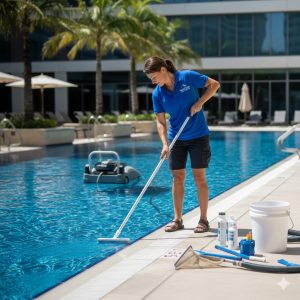
How Is a Pool Inspection Different From Pool Cleaning?
Cleaning focuses on appearance. Inspection focuses on function.
Cleaning includes:
- Skimming
- Brushing
- Vacuuming
Inspection includes:
- Equipment evaluation
- Structural review
- System performance
Both matter, but they serve different purposes.
Should Homeowners Be Present During the Inspection?
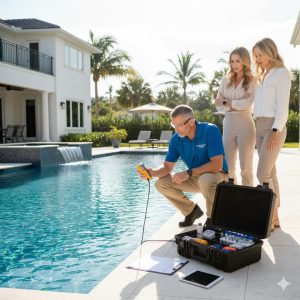
Being present helps homeowners understand their pool better.
Benefits include:
- Seeing problem areas
- Learning system basics
- Asking questions
- Understanding maintenance needs
Clear communication prevents confusion later.
Why Choose Local Knowledge for Pool Inspections in Lanikai and Beyond?
Local conditions shape pool behavior. Wind, rain, and salt air matter.
A Lanikai-focused inspection understands:
- Coastal corrosion patterns
- Weather-driven chemistry changes
- Common equipment issues
- Local debris challenges
Local experience leads to better assessments.